Best Heat Pump Water Heater 2026: Energy-Efficient Picks Compared
The best heat pump water heaters of 2026 ranked by efficiency, capacity, and value. Compare Rheem, A.O. Smith, Bradford White, Stiebel Eltron, and Sanden with…

July 12, 2026
Safety Disclaimer
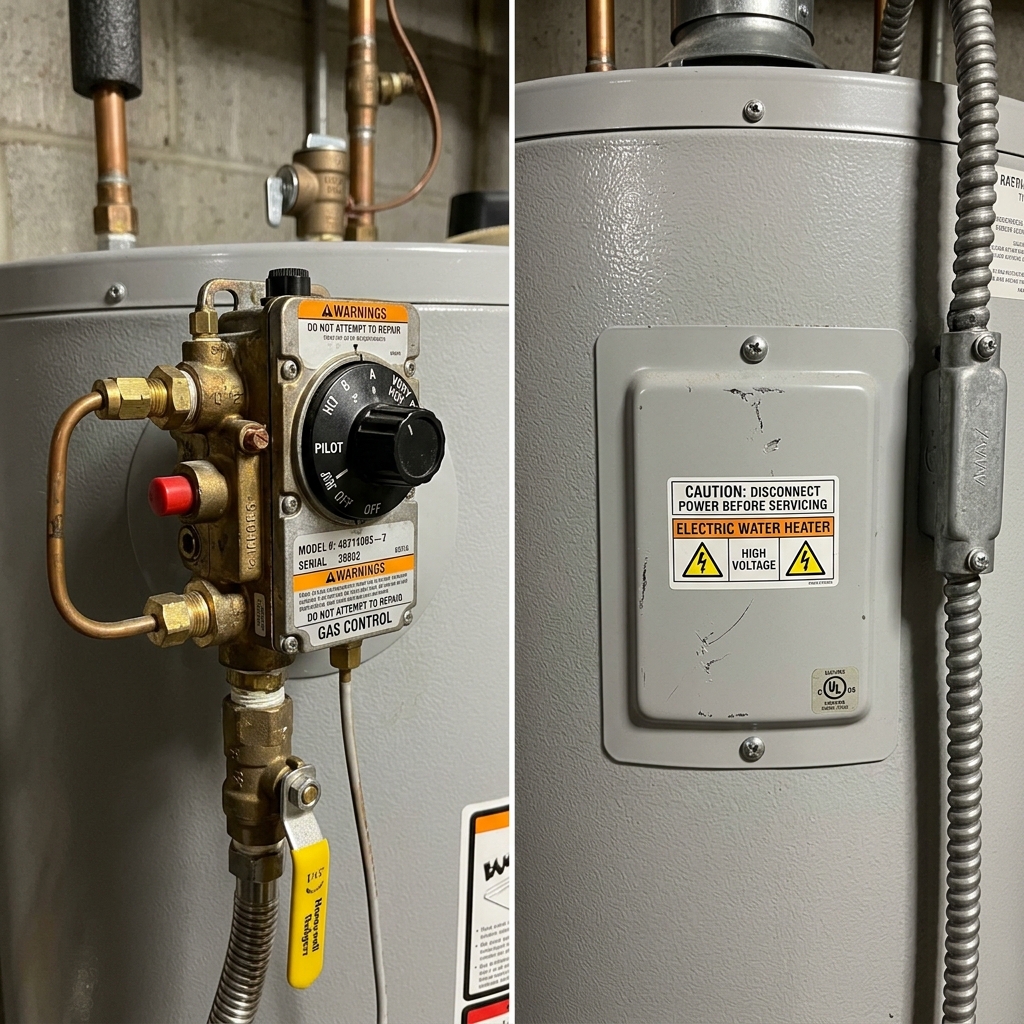
Water heater maintenance involves working with pressurized systems, scalding hot water, and potentially hazardous electrical or gas connections. Always shut off power (electric heaters) or gas supply (gas heaters) and allow water to cool to a safe temperature before beginning any maintenance. Wear appropriate safety equipment including gloves and eye protection. If you're uncomfortable with any step, contact a licensed plumber.
As an Amazon Associate we may earn a commission from qualifying purchases made through links on this page, at no extra cost to you.
Desk note: UEF, First Hour Rating, and the “two to three times as efficient” language below come from Energy.gov heat-pump water heaters and the ENERGY STAR certified directory, plus manufacturer spec sheets. This is a HowToDrainAHotWaterHeater.com Editorial Team research-desk roundup, not an in-house lab and not a staged install diary. Dollar bands are research snapshots from typical listings, not live offers and not a utility quote.
A heat pump water heater (HPWH) does not generate heat the way a resistance-electric tank does — it moves heat from the surrounding air into the water. That is why DOE ranks heat-pump models as two to three times more efficient than conventional electric resistance. “Best” still depends on climate, mechanical-room air volume, and whether the 240-volt circuit and condensate path already exist.
Brand-level context: best water heater brands of 2026. Fuel chooser: electric vs. gas. Format chooser: tank vs. tankless.
Before You Shop a Heat-Pump Tank
Do this in order. Buying the hybrid SKU first is how people hang an 80-gallon compressor in a tight closet with no condensate drain and a 30-amp resistance circuit.
- Read the current rating plate. Copy fuel, gallons, voltage, and breaker size. A heat-pump tank is still a 240-volt appliance. Many hybrids want a dedicated circuit in the 30-amp class; confirm the exact amperage on the model you are opening.
- Measure the room, not just the footprint. ENERGY STAR and DOE guidance call for roughly 1,000 cubic feet of surrounding air (about a 10×12×8-foot room) for an all-in-one compressor to perform. A sealed closet is the usual miss.
- Confirm a condensate path. The unit wrings moisture out of the air. You need a floor drain or a condensate pump piped to a legal drain. Skip this and you get a puddle.
- Check winter room temperature. All-in-one indoor units commonly publish a floor around 37°F ambient. An unheated northern garage is a split-system conversation, not a ProTerra-in-the-corner conversation.
- Size First Hour Rating, then gallons. Peak-hour math is on what size water heater do you need. Confirm FHR in the ENERGY STAR listing for the exact gallon SKU.
- Then open a listing. Search pages mix hybrid tanks, resistance electrics, and portable “heat pump” air conditioners on the same brand row.
Listing check (heat-pump hybrid tank): confirm hybrid / heat-pump on the EnergyGuide, gallon size, and 240-volt backup-element circuit — portable “heat pump” AC units and 120-volt point-of-use tanks share the same brand search.
A pan sensor after the swap: best water leak detectors. Annual flush after it is hanging: how often to flush a water heater.
Quick comparison (research snapshots)
| Model | Tank sizes (gal) | Approx. UEF | Standout |
|---|---|---|---|
| Rheem ProTerra | 40–80 | ~3.5–4.0 | Widest availability + leak sensing on equipped tiers |
| A.O. Smith Signature Premier | 50–80 | ~3.15–3.45 | Value pick, easy to source |
| Bradford White AeroTherm | 40–80 | ~3.39 | Contractor-channel build |
| Stiebel Eltron Accelera 300 | 80 | ~3.4 | Quieter premium all-in-one |
| Sanden SANCO2 | 43 / 83 | up to ~4.5 | Cold-climate split system |
UEF is the higher-is-better efficiency score. Figures above are typical published bands for popular configurations. Confirm the exact UEF and FHR for the gallon size and tier in the ENERGY STAR directory before you click Buy. Street prices move; treat any dollar band on this page as a research snapshot, not a live offer.
Browse heat pump water heaters on Amazon
The best heat pump water heaters for 2026
1. Rheem ProTerra — Best overall
The Rheem ProTerra is the default research pick for most U.S. replacements: widely distributed, 40-, 50-, 65-, and 80-gallon capacities, and a published UEF commonly in the 3.5 to 4.0 band depending on gallon size and tier. Built in Montgomery, Alabama. Backup resistance elements cover high-demand stretches.
Equipped tiers add leak detection with automatic shutoff and Wi-Fi through Rheem EcoNet. Published operating range is down to roughly 37°F ambient air. For a typical 50-gallon electric-tank replacement in a basement or garage with air volume, this is the SKU most installers can get quickly.
2. A.O. Smith Signature Premier — Best value
If the goal is the lowest total ticket into a genuine heat-pump tank, the A.O. Smith Signature Premier heat pump water heater is the value pick. Sold prominently through Lowe’s. 50-, 65-, and 80-gallon capacities. Published UEF typically in the 3.15–3.45 band — a step behind Rheem at the top end, often a faster payback story after rebates. That is listing-card math, not a desk guarantee.
Vacation and efficiency modes are on the card. Fewer smart features than ProTerra. Fine when you want the compressor savings without paying for connectivity.
3. Bradford White AeroTherm — Best build quality
Bradford White is the contractor-channel brand. The AeroTherm series brings that reputation to heat-pump tanks: 40 to 80 gallons, published UEF around 3.39. You usually buy it through a plumber, not off a store shelf.
Pick it when you want the install and the warranty to travel together. Fuel-level trade-offs: electric vs. gas.
4. Stiebel Eltron Accelera 300 — Best premium all-in-one
The Stiebel Eltron Accelera 300 is the quieter 80-gallon German-engineered indoor unit. These machines run a compressor. Placement near finished space is a real constraint. Published UEF around 3.4.
Pricier than the American-brand options. Worth the listing only if compressor noise is the dealbreaker and the room still has air volume.
5. Sanden SANCO2 — Best cold-climate and ultra-efficient pick
The Sanden SANCO2 is a split system: outdoor heat-pump unit, indoor stainless tank (43 or 83 gallons), CO₂ (R-744) refrigerant instead of R-134a. Published outdoor operation down to roughly -20°F. UEF figures can reach the mid-4s depending on configuration.
Highest ticket and a more involved install. For a cold-climate, efficiency-first owner with a place for the outdoor unit, nothing else on this list matches the published low-temperature story.
How to match the SKU to the room
Match UEF to the goal, not a percent. Anything above roughly 3.0 is a genuine heat-pump performer. ENERGY STAR describes certified hybrids as able to save a household money versus a standard electric tank. That is published guidance, not a desk-measured percent or a $X/year check.
Size by First Hour Rating. Gallons are storage. FHR is the first busy hour. A household of four typically wants an FHR in the 70–90 gallon range. Confirm it on the exact ENERGY STAR row.
Give it air. Roughly 1,000 cubic feet. In a tight closet it underperforms and overcools the space. Do not wrap a hybrid with a tank blanket — the evaporator needs room air.
Account for condensate. Floor drain or a condensate pump. A Camco drain pan plus a puck in the pan is cheap insurance next to the compressor.
Noise. Typical published output is around 50 dB — fine in a basement, noticeable in a hallway. Stiebel is the quiet research pick in this set.
Cooling effect. The unit cools and dehumidifies the room. Bonus in a hot, humid climate. A penalty in a cold basement. Unheated garage: split system.
Incentives are a current-year check
Before you buy, read the federal Section 25C credit language for qualifying heat-pump water heaters, plus any state or utility rebate. Caps and eligible model lists change. Confirm the current rule for the SKU on the invoice before you file. This desk does not publish a dollar cap as if it were permanent.
Maintenance is still a tank job
A heat-pump water heater is still a tank with an anode and a drain valve. Flush on a hardness schedule — how often to flush and the compact hose-and-valve flush. Inspect the anode. Put a sensor in the pan: best water leak detectors. Published tank window: how long water heaters last.
If you were comparing wall units instead, current gas and electric tankless SKUs are on best tankless water heaters. Descale gear for those: best tankless flush kits.
Skip the Hybrid Listing
- The room is a sealed closet with no path to ~1,000 cubic feet of air
- There is no condensate drain and no place for a pump
- The panel cannot take the 240-volt circuit on the plate — that is electrician work, not a weekend swap
- You smell gas or the current tank is leaking at the steel shell — replace the failed machine first: DIY vs plumber
- You are trying to wrap a hybrid with a blanket or treat it like a resistance electric
- Winter room air sits below the published ambient floor and you do not have a split-system path
Related Guides
- Best Water Heater Brands of 2026
- Best Tankless Water Heaters
- Best Tankless Water Heater Flush Kits
- Best Water Leak Detectors
- Electric vs. Gas Water Heaters
- Tank vs. Tankless Water Heaters
- What Size Water Heater Do You Need?
- How Long Do Water Heaters Last?
- How Often Should You Flush a Water Heater?
- How to Flush Your Water Heater
- Water Heater Repair: DIY vs. Plumber
- How to Insulate a Water Heater
- Flush Schedule Calculator
- Water Heater Maintenance Tools
- How to Flush Hub
- How We Make Money
Sources
- U.S. Department of Energy, Heat Pump Water Heaters, two-to-three-times efficiency language and install caveats
- ENERGY STAR, Heat Pump Water Heaters, certified UEF and First Hour Rating directory
- IRS, Energy Efficient Home Improvement Credit (25C), current-year incentive check
- Manufacturer spec sheets (Rheem ProTerra, A.O. Smith, Bradford White AeroTherm, Stiebel Eltron Accelera, Sanden SANCO2) for UEF bands, ambient floors, and tank sizes
Editorial Team
Nobody should pay a plumber $300 to turn a drain valve. Our guides are built from manufacturer documentation, plumbing code references, and the documented experience of homeowners and plumbers.